
Lives of women and children are at risk at Machinga District Hospital due to a shortage of medical supplies.
The hospital, which mainly serves the rural-poor community, is failing to save lives of children who need to be put on oxygen support machines and is reportedly using substandard tubes (Giving set(s) tubes) to drain urine before and after surgeries.
We have gathered that the Giving Sets are tubes that run from bottle into a vein. These tubes are used in drips to give someone blood, medicine or water. Every woman who goes for a Caesarian Section, or who is on Magnesium Sulphate (those with High Blood Pressure) is also cathetised.
This is done before the nurse administers the medication.
“The patients are supposed to be checked on how the kidneys are functioning, regarding the levels of urine.
This becomes difficult without catheter. It’s difficult to see if the kidneys are impaired or not,” said a health worker who asked for anonymity.
The women with postpartum hemorrhage (within the first 24 hours after giving birth) and every patient going for surgery, especially those with laparotomy operations (surgical incision into the abdominal cavity for diagnosis or in preparation for major surgery) need catheter usage too.
We have established that Machinga district hospital has been in this situation for over a week now. Women in labour and those who have just given birth plus other people who have undergone surgery are at risk of developing infections, including those affecting the urinary tract, due to the shortage of Catheters.
“It’s so sad… we have no courage to ask these poor patients to go and buy the catheters… Can someone who can’t even afford to buy their own laundry soap buy a catheter?” questioned a wellplaced source within Machinga District Hospital.
Even though the District Medical Officer (DMO) of the hospital assured the health workers last Monday (this week) that the hospital has ordered the catheters, the situation, for now, remains critical.
Some health workers we have spoken to have expressed concern over the shortage, saying this is putting patients’ lives at risk considering the fact that they can be exposed to other infections.
“Health workers are forced to use Giving Sets tubes to drain urine from the bladder instead.
Catheters are sterile and are inserted in a sterile manner to prevent introducing disease causing micro organisms into urinary tract infections. But giving set isn’t sterile, it’s just clean, and is not supposed to go inside the body, so by inserting it into a patients’ urethra, the patient is being exposed to urinary tract infections,” said a health worker who asked for anonymity, for fear of some repercussions.
News Medical Life sciences describe catheters as tubes used in health care to deliver medications, fluids or gases to patients or to drain bodily fluids such as urine.
The health workers we have spoken to have further revealed that patients undergo surgeries without catheters they are also put at risk of bladder injury during the procedure.
Another health worker revealed: “The use of giving sets to drain urine from bladder, when a woman is having postpartum hemorrhage to control bleeding is not recommended it can also lead to urethra injury since a Giving Set isn’t supposed to go into bladder. But the health workers have no choice.”
The health workers have expressed worry that they are equally affected and frustrated, as they cannot work properly without resources to satisfy patients’ needs.
“Even though we use alternative means to deal with some of these problems, they can be quite hazardous…such issues go quietly as many of us fear for our jobs.”
In a related development, we have also established that for some time now, the hospital is running on one oxygen concentrator which is serving Pediatric and Nursery (for new born babies) wards, yet it needs a minimum of five concentrators to properly function.
Health and Rights Education Programme Executive Director, Maziko Matemba, says it is sad that, sometimes, critical medical supplies are in short supply.
“…With the Machinga example, there is always a blame game of inadequate budget which could be true but most of the time it’s the priotisation of the available resources and how the budget gaps are shared to relevant stakeholders to assist if need be…we ask the Ministry of health to treat this issue as an urgent matter,” he said.
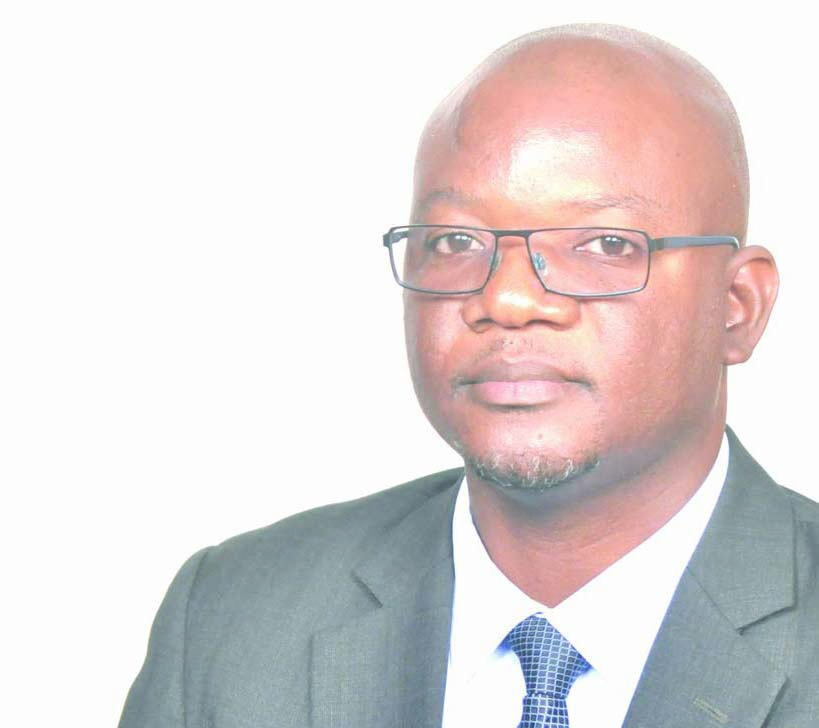
Machinga District Health Office spokesperson Clifton Ngozo could only confirm the shortage of oxygen concentrators while dismissing reports about the shortage of catheters.
“The DMO has told me that everything is okay. It’s not true that there is a shortage of Catheters. I have also been attending morning meetings daily and nothing of that sort was mentioned. The only issues we have are the shortage of oxygen concentrators and the need for an additional theatre bed.”
“The oxygen concentrators that were donated to us are not working and we are either looking for new ones or having the donated ones repaired,” he said.
Leave a Reply