
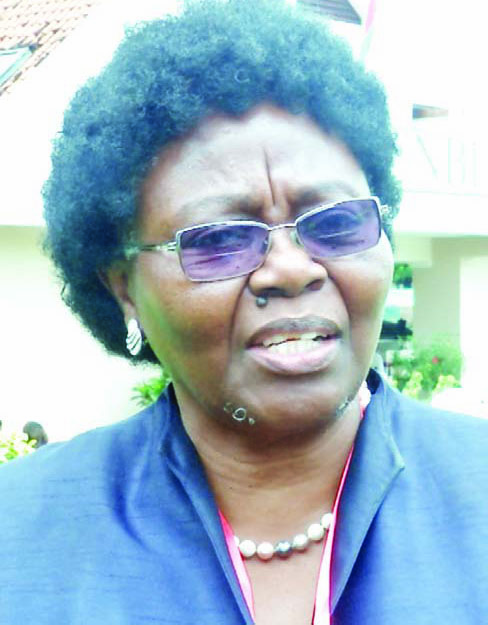
THE Women Judges Association of Malawi (Wojam) and the South African Chapter of the International Association of Women Judges (SACIAWJ) have said people’s ignorance of pieces of legislation which parliaments enact result in judgements which sometimes undermine their rights.
Wojam president Esme Chombo and her SAC-IAWJ counterpart Anna Malefshane Kgoele have said sometimes people fail to properly handle their cases before courts because they are not aware of relevant legislations.
The two justices said this in separate interviews after the opening of a judicial exchange programme for their associations. The three-day event is taking place in Lilongwe and has drawn 60 participants from Malawi and South Africa.
Chombo specifically pointed out that magistrates, particularly those in remote areas, often take long to access some latest Acts of Parliament such that decisions they make are sometimes not in tandem with the latest laws.
“Magistrates are spread throughout the country and sometimes, when laws are enacted by Parliament, there are not distributed or it takes a long time before the copies are distributed to rural areas,” she said. Chombo added:
“We are very wary of judgements that are being made and they don’t take into account new laws that are being passed because we see that if people are going to enjoy their human rights, then they have to know what the law is saying about their positions.”
She said Wojam has embarked on a sensitisation campaign to ensure new pieces of legislation are accessible to magistrates and the public, mostly in remote areas. On her part, Kgoele observed that South Africa, just like Malawi, has several excellent pieces of legislation which are not being fully utilised by that country’s citizens.
She said people in her country still struggle to understand their rights as enshrined in different statutes.
“For example, we have the Customary Marriage Act which is an excellent piece of legislation that South Africa has adopted but we still face many challenges to the effect that many people do not know how to approach the courts, especially in cases of dissolution of such kinds of marriages.
“Sometimes, they cannot even access the offices where they are supposed to deal with that. So, in our association, we have embarked on a campaign which we call family dialogue where we now go to the communities and talk to them about this Customary Marriage Act,” Kgoele said.
The exchange programme is a collaboration between the Democratic Governance and Rights Unit (DGRU) of the University of Cape Town and Wojam. Tabeth Masengu from DGRU said the decision to have the exchange programme was reached at after noting that both Wojam and SACIAWJ are involved in community sensitisation programmes but have not had an interacted before.
Leave a Reply