
News that the country has managed to reduce its inflation two months in a row has been met with a mixed response with some economic commentators calling for caution and tighter fiscal policies to maintain the positive trajectory.
Figures from the National Statistical Office (NSO) show inflation at 16.1 percent in February from 18.2 percent in January.
Headline inflation for January 2017 stood at 18.2 percent compared to 23.5 percent for the same period last year, a decline of 1.8 percent from December 2016.
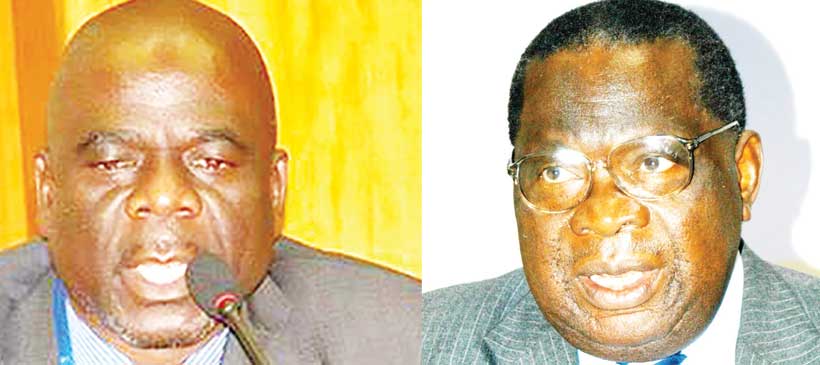
Ben Kalua, an economist working with Chancellor College, however, said the current trend may not be a result of government action but good rainfall pattern which will lead to potentially high yield, thereby influencing inflation on the food side.
Kalua said there is need for the government to reduce domestic borrowing to reign in inflation over the long term.
He then asked government to come up with more interventions to incentivise production other than just simply relying on the Farm Input Subsidy Programme (Fisp) which he described as being an inefficient tool to tackle food production.
“Government needs to reduce its appetite for borrowing because domestic borrowing exerts pressure on interest rates and clouds out the private sector,” he said.
Over the short-term, Kalua expects inflation to continue going down as people harvest their maize crop and stability in the exchange rate as the country prepares to enter this year’s tobacco marketing season.
“There is that possibility of hitting single digit inflation but government action and fiscal policies will be key to sustaining the trend,” he observed.
In a separate interview, Former President of the Malawi Confederation of Chambers of Commerce and Industry, Newton Kambala, said the private sector is taking the news with a pinch of salt having not seen much action from government to boost the production side of the economy.
Kambala worried that high inflation continues to erode the working capital of many companies.
‘Even the ordinary people are feeling it. Granted this year we may have bumper harvests judging from the good rainfall that the country has received. But other than that, we have not done anything to incentivise production.
“High interest rates continue to make it prohibitive for the private sector to produce more,” he said.
According to NSO figures, both food and non-food inflation has continued to decline over the past two months.
In January, non-food inflation stood at 15.0 percent from 15.4 percent in December. The trend continued in February where non-food inflation was recorded at 14.6 percent from 15 percent in January.
And Minister of Finance and Economic Planning and Development, Goodall Gondwe, has attributed the drop in non-food inflation to fiscal policies that the government is implementing as part of its commitment to turn around the economy.
He said the fact that both food and non-food inflation have been going down is a clear indication that government is doing something to keep inflation in check.
“We will at some stage hit single digit numbers. I may not give a specific time frame but inflation will come down at some point. We have done this before and we will achieve this again,” he said.
For some time, Malawi has been leading other countries that form the Common Market for Eastern and Southern Africa (Comesa) with the highest inflation.
As of October, 2016, Malawi’s inflation was recorded at 22.8 percent, the highest in the 26 member regional block.
Leave a Reply