
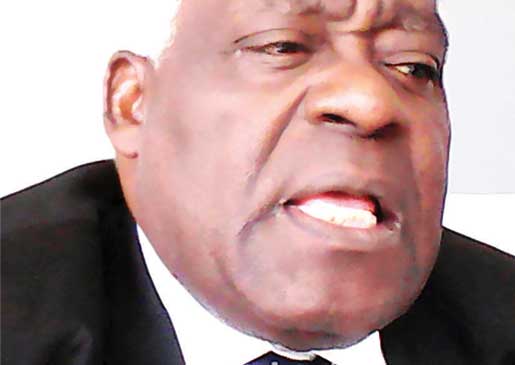
Anti-corruption advocate Levi Mihowa has said failure to separate politics and the civil service has created room for incompetence in the country’s public financial management system.
Mihowa, a financial intelligence expert and former regional director for Africa at Sue Ryder, said since the coming of multiparty democracy, some incompetent people have been given crucial positions in the civil service thereby paralysing the system in the process.
“Some people were put in positions to manage things that they were not competent in. They were not put there on merit. One way of making sure that we improve on our financial management is recruiting people on merit. We need to employ people who have qualifications and make sure that such people are monitored in terms of effectiveness. You don’t just allow people to be too free to do what they want. You must know that corruption thrives where accountability is weak,” Mihowa said.
In terms of the country’s progress in the fight against corruption, Mihowa said despite the challenges in retaining staff due to poor conditions of service, the Anti-Corruption Bureau (ACB) and other government agencies are doing their best in the fight.
“Some employees are leaving these agencies like the ACB. That’s unfortunate because that means you are weakening your fighting hand. But the fight is succeeding in the sense that people who have been identified of committing these malpractices are being prosecuted successfully. I am talking about Cashgate. But we must be careful when we are talking about progress because we don’t know what other people are doing,” he said.
Mihowa, who described corruption as a killer, said the country needs emphasis on the spirit of integrity among the citizenry with a call for the inclusion of integrity in the school curriculum.
The country’s public finance management system has been under microscope since 2013 when the systematic siphoning of government funds in the name of Cashgate was revealed.
Last year, National Audit Office (Nao) subcontracted business and advisory firm, Price Water House Coopers (PWC), for a detailed scrutiny of government’s payment records spanning period between January 1 2009 and December 31 2014.
The analysis report, which PWC released in June last year, found that while K577 billion worth of transactions could be shown in bank statements, the details could not be traced in the Capital Hill cash books raising fears that the money could have been plundered.
The analysis led Nao to further examination of the books but the public is yet to see the report out of such examination
Leave a Reply