
The Office of the President and Cabinet (OPC) has rated the Ministry of Health poorly in terms of public service reforms’ performance.
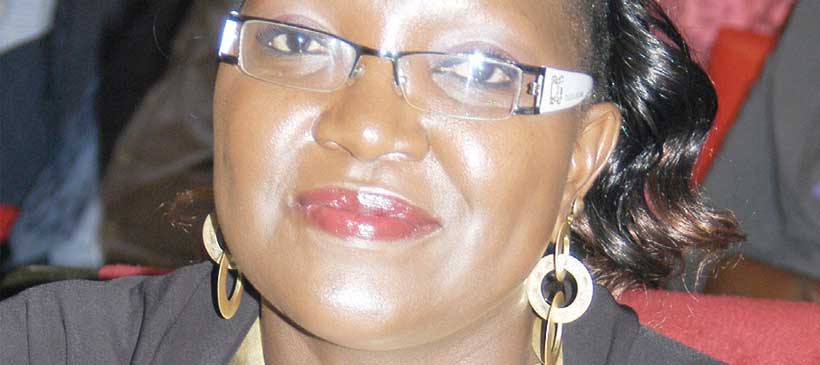
Chief Director for Reforms at OPC, Seodi White, told Parliamentary Committee on Government Assurance and Public Service Reforms on Wednesday that Ministry of Health could be described as the slowest among government Ministries, Department and Agencies (MDAs) that are currently implementing the reforms.
According to White, other MDAs including Ministry of Education, Science and Technology have a number of achievements to show but health is lagging.
“Some ministries and departments are doing well as results of what they have done can be seen except for Ministry of Health which, in our view, is slow in its reforms implementation. But we do not want to lie on behalf of any ministries and departments and that is why we have asked them to tell us what is preventing them to move forward. We will definitely sit down with them and find solutions to the bottlenecks. We are monitoring them,” White said.
In an overview that senior officials in the ministry presented to Parliamentary Committee on Health last week, they said they were still discussing with Ministry of Finance, Economic Planning and Development on procedures to follow in reforms that touch on levies, payments and taxes.
Ministry of Health was among the initial ministries to sign organisational performance agreements with President Peter Mutharika in February 2015.
The ministry promised to establish a health fund considering the challenges that government is experiencing in mobilising adequate financial resources for the health sector but the fund is yet to see the light of the day.
It also made a commitment to revitalise medical insurance scheme alongside the expansion of paying services in public hospitals
The ministry proposed to introduce medical insurance schemes for those in wage employment, more especially those that are on salary and pay tax to Malawi Revenue Authority, beginning with public servants while simultaneously expanding paying services in public facilities.
It said the paying services section in government hospitals will operate side by side with free paying services providing equal levels of quality care with the only difference being in the length of queues where paying services experience shorter queues than non paying services.
The ministry said it would focus on making all hospitals autonomous entities to be run by independent boards with the aim of increasing the capacity of central hospitals to provide specialised referral services, increasing their decision making powers and allowing them to focus on the provision of specialised care.
It also sought to implement the policy of hiring directors of health services at the district level to manage both the primary and secondary level health services in a district and the head of these facilities would be hired and evaluated based on performance
Another promise was aimed at delinking non-core services from the hospitals across the country with the objective of ensuring that providers of healthcare concentrate on areas of their competency.
But apart from introducing paying services in central hospitals, another notable reform in the ministry is the signing of a memorandum of understanding (MoU) with Christian Health Association of Malawi (Cham) in line with the government’s objective of ensuring equal opportunities to healthcare access.
Leave a Reply