
Lack of capacity building for public procurement professionals is derailing reforms in the procurement sector.
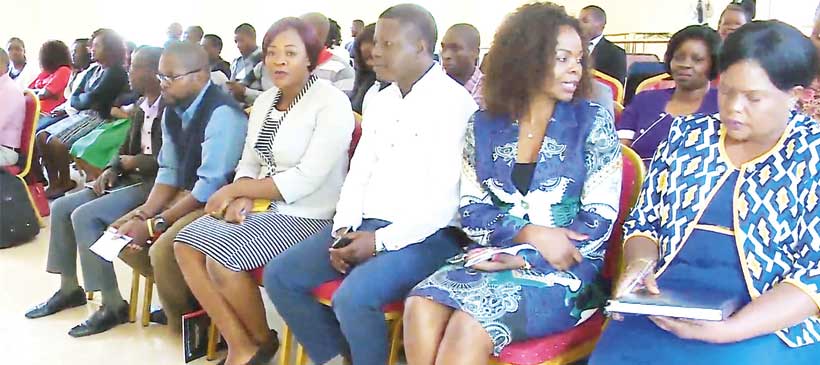
Director of Public Procurement, Paul Taulo, said this on Monday during the launch of a month-long in-service training of public procurement professionals at the Staff Development Institute in Blantyre.
During the training, about 30 procurement professionals from government ministries and departments will be trained on how they can be prudent, transparent and accountable in their work.
Taulo said public procurement is facing numerous challenges, including mismanagement of public funds due to insufficient knowledge of procurement professionals.
“The capacity building of the professionals is important to improve service delivery. We want them to be prudent, transparent and accountable in their work. This is the sure way of ending corruption within the public service,” he said.
Taulo also encouraged procurement professionals in the country to register with the Malawi Institute of Procurement and Supply (MIPS).
This, he said, will help in the preservation of the integrity of the profession as the board is mandated to discipline its members who flout procedures in their work.
“MIPS was established by an Act of Parliament to regulate the procurement profession. The registration is not new. It is the same thing with accountants, lawyers and medical practitioners. Soon all procurement professionals who shall not have registered with MIPS will be barred from practising in the country,” he said.
Minister of Labour, Youth, Sports and Manpower Development, Henry Mussa, who was the guest of honour, hailed the training saying professional procurement officers are key to ending corruption.
“The country loses over 30 percent of its annual budget to corruption. And again over 60 percent of Other Recurrent Transactions Budget (ORT) is spent on procurement. This is enormous amount and competent procurement professionals are important if the country is to develop,” he said.
The training is being conducted with support from the African Development Bank.
Leave a Reply