
Government is Thursday launching 2016/2017 national relief food distribution amidst a resource gap of $303.8 million.
Vice President Saulos Chilima is expected to preside over the launch which is taking place in one of the worst affected districts, Nsanje.
To effectively reach out to about 6.5 million heavily affected people, Malawi needs over $395.13 million but confirmed pledges as of this month are at about $ 91.32 million.
According to Secretary to the Vice President and Commissioner for Disaster Management Affairs, Ben Botolo, during the response, provision of in-kind and cash-based assistance to the vulnerable population will be integrated with recovery and resilience building interventions.
“The event will mark the start of implementation of the 2016/2017 National Food Insecurity Response Plan launched by Prof, Arthur Peter Mutharika, the President of the Republic of Malawi, on 13th July 2016, in which he outlined required resources and measures for coordination of the response in all sectors, including food security, agriculture and nutrition, which need immediate assistance,” Botolo said.
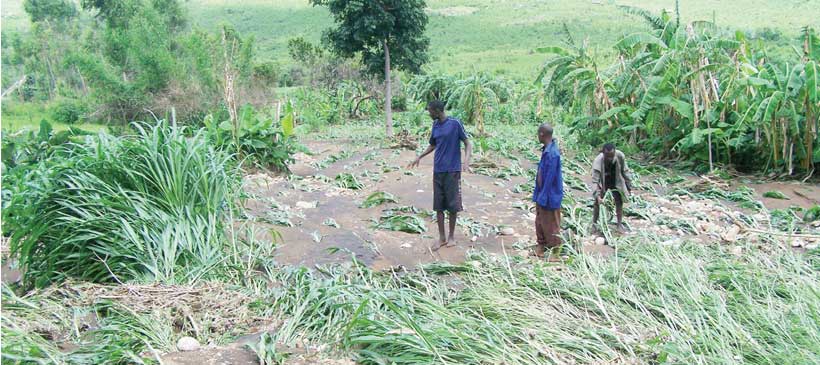
For the period from July 2016 to March 2017, Malawi faces a hazard-related food security and nutrition emergency coming on top of the devastating floods and dry spells in 2015 and early 2016.
Responding to the situation, Mutharika declared a State of National Disaster on April 12 this year and appealed for humanitarian relief assistance from the international community and the private sector.
Malawi Vulnerability Assessment Committee (MVAC) findings in May this year indicated that 6.5 million targeted people in 24 districts require food assistance from July 2016 to March 2017.
During her visit last week, World Food Programme (WFP) Executive Director, Ertharin Cousin, described Malawi situation as dire saying the world needs to take notice of it before it is too late.
“I’ve talked with women in rural areas who told me they have enough food for just a few more weeks, after which they will have nothing. We must urgently assist the people of Malawi and those affected by the drought in neighbouring countries, before food insecurity spirals into hunger and starvation,” Cousin said.
Following floods and drought last year, World Food Programme responded to the needs during the last lean season as early as October.
This year, however, emergency relief is starting now because the lean season has already begun in many districts or is soon to start in others.
“It’s very important that we save lives in emergency situations. But it’s also vital to offer people hope and opportunities so that they are better able to withstand shocks and cope for themselves in the future,” she said.
Leave a Reply